
Common Mistakes That Cause Incentive Programs to Fail
Well-designed incentive programs can transform dealer engagement, strengthen contractor relationships, and drive measurable business growth. Poorly designed programs, however, often produce disappointing results despite significant investments of time and money.
The difference rarely comes down to the reward itself.
More often, incentive programs fail because of planning mistakes, unclear objectives, inconsistent communication, or rewards that don't align with participant motivations.
The good news is that most of these challenges are entirely avoidable.
By understanding the common pitfalls before launching an incentive program, manufacturers and distributors can create initiatives that generate stronger participation, better business outcomes, and lasting relationships.
Here are the most common reasons incentive programs fall short—and how to avoid them.
1. Starting Without Clear Objectives
Every successful incentive program begins with a business objective.
Unfortunately, many programs begin by selecting a reward before deciding what they're trying to accomplish.
An incentive trip, cash reward, or merchandise catalog isn't a strategy. It's a tool.
Before designing any program, ask:
- What behavior are we trying to influence?
- How will success be measured?
- Which business objective does this support?
Common objectives include:
- Increasing annual dealer purchases
- Growing market share
- Launching a new product
- Increasing contractor participation
- Improving product certification
- Expanding dealer engagement
When objectives are unclear, participants receive mixed messages and results become difficult to measure.
2. Making Qualification Too Complicated
Complex programs discourage participation.
If participants need spreadsheets, calculators, or multiple meetings to understand how they qualify, motivation quickly declines.
The strongest incentive programs are easy to explain. Participants should immediately understand:
- How they earn points
- What behaviors are rewarded
- When progress is measured
- What qualifies them for rewards
Simple qualification criteria increase transparency, build confidence, and encourage greater participation. If people don't understand the rules, they won't fully engage with the program.
3. Rewarding the Wrong Behaviors
Not every sale creates equal value.
Many organizations unintentionally reward volume while overlooking the behaviors that support long-term growth.
Instead, incentive programs should encourage activities such as:
- Selling strategic product lines
- Completing product certifications
- Increasing market share
- Growing year-over-year purchases
- Supporting new product launches
- Participating in training
When rewards align with business priorities, incentive programs become strategic tools rather than promotional campaigns.
4. Treating Everyone the Same
Every participant is motivated differently. Some value recognition. Others appreciate travel. Some enjoy networking opportunities. Others are driven by professional development.
Programs that assume one reward motivates everyone often struggle to maximize participation.
Whenever possible, personalize the experience through:
- Multiple qualification paths
- Flexible reward options
- Customized recognition
- Exclusive experiences
- Tiered achievement levels
Personalization demonstrates that your organization understands the people it's trying to motivate.
5. Communicating Only at Launch
One of the most common mistakes is assuming the announcement alone will maintain excitement. It won't.
Successful incentive programs communicate consistently throughout the qualification period. Effective communication includes:
- Monthly progress updates
- Leaderboards
- Success stories
- Recognition announcements
- Milestone celebrations
- Qualification reminders
Regular communication keeps the program visible while reinforcing motivation. An incentive program that disappears from conversation quickly disappears from participants' priorities.
6. Choosing Rewards That Don't Inspire
Not every reward creates lasting motivation. Generic merchandise, small gift cards, or routine cash bonuses often generate short-term appreciation but little long-term excitement.
The strongest rewards create anticipation. Examples include:
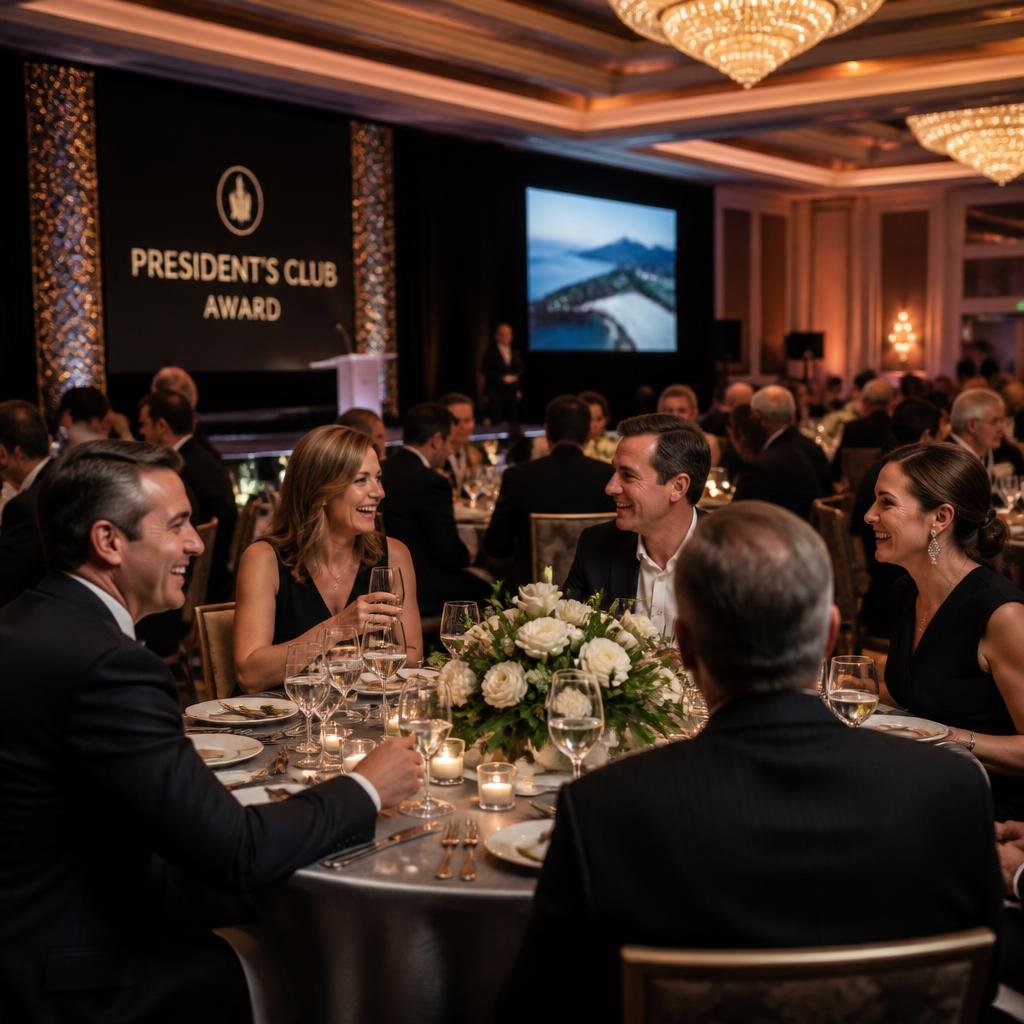
- President's Club experiences
- Luxury incentive travel
- Exclusive networking events
- Golf outings
- Fishing expeditions
- Culinary experiences
- VIP recognition events
Participants should feel excited about earning the reward long before they receive it. If the reward doesn't inspire, the program won't either.
7. Failing to Measure Performance
Organizations can't improve what they don't measure. Every incentive program should include measurable performance indicators.
Track metrics such as:
- Dealer participation
- Revenue growth
- Product mix
- Training completion
- Contractor engagement
- Customer retention
- Market share
- Repeat purchases
Measurement allows organizations to identify strengths, improve weaknesses, and demonstrate return on investment. Programs supported by data continue improving year after year.
8. Ignoring Recognition
Many organizations focus entirely on rewards while overlooking recognition.
Recognition often has greater emotional impact than the reward itself. Simple recognition opportunities include:
- Executive congratulations
- Company newsletters
- Dealer spotlights
- Award ceremonies
- President's Club announcements
- Personalized thank-you messages
Recognition reinforces achievement while strengthening relationships throughout the organization. People enjoy knowing their contributions matter.
9. Treating Incentives as Short-Term Promotions
Some organizations launch a new incentive program every year with little connection between initiatives. Participants struggle to understand what the organization truly values.
The most successful companies create long-term incentive strategies that evolve over time while maintaining consistent objectives.
Participants begin viewing the program as part of the organization's culture rather than simply another sales promotion. Consistency creates credibility. Credibility creates participation.
10. Forgetting the Human Element
Incentive programs ultimately exist to motivate people. Too often, organizations become focused on budgets, rules, and reporting while forgetting the human experience.
Ask yourself:
- Does the program make participants feel appreciated?
- Does it strengthen relationships?
- Does it recognize meaningful achievement?
- Would you personally be excited to participate?
The answers often determine whether the program succeeds. People remember how an organization made them feel far longer than they remember the exact reward they earned.
Great Programs Continue to Improve
Even successful incentive programs should never remain unchanged. Markets evolve. Business priorities shift. Participant expectations change.
The strongest organizations regularly evaluate:
- Participation levels
- Reward effectiveness
- Dealer feedback
- Business outcomes
- Communication strategy
- Qualification criteria
Continuous improvement keeps programs fresh while ensuring they remain aligned with changing business objectives. An incentive program should evolve just like the organization it supports.
The Bottom Line
Most incentive programs don't fail because of inadequate budgets. They fail because they lack clear objectives, meaningful communication, strategic alignment, or compelling rewards.
The organizations that consistently generate exceptional results understand that successful incentive programs require thoughtful planning, continuous measurement, and genuine appreciation for the people they're designed to motivate.
When programs reward the right behaviors, communicate consistently, recognize achievement, and create memorable experiences, they become far more than promotional tools.
They become strategic investments that strengthen partnerships, inspire performance, and create lasting competitive advantage.
Avoiding these common mistakes doesn't simply improve participation. It transforms an incentive program into one of the most effective growth strategies a manufacturer or distributor can implement.
Ready to Build an Incentive Program That Delivers Results?
Legacy Incentive Group partners with manufacturers and distributors to design customized incentive, recognition, and travel programs that avoid common pitfalls while delivering measurable business outcomes.
Whether you're creating a new initiative or improving an existing program, we'll help you build a strategy that engages participants, strengthens relationships, and drives long-term growth.
Schedule a Strategy Session to discover how a thoughtfully designed incentive program can become a competitive advantage for your organization.