
The Strategy of Recognition
While discounts and rebates remain common sales tools, they often create only temporary results. Recognition, on the other hand, influences something far more valuable: human behavior.
The question isn't whether discounts can increase sales. They often do.
The real question is whether they build loyalty, strengthen relationships, and motivate the behaviors that drive sustainable business growth.
For organizations focused on long-term success, the answer is increasingly clear.
The Difference Between Transactional and Emotional Value
Discounts create transactional value.
Recognition creates emotional value.
When a dealer receives a rebate, the transaction ends the moment the payment is processed. The financial benefit is appreciated, but it's quickly absorbed into normal business operations.
Recognition operates differently.
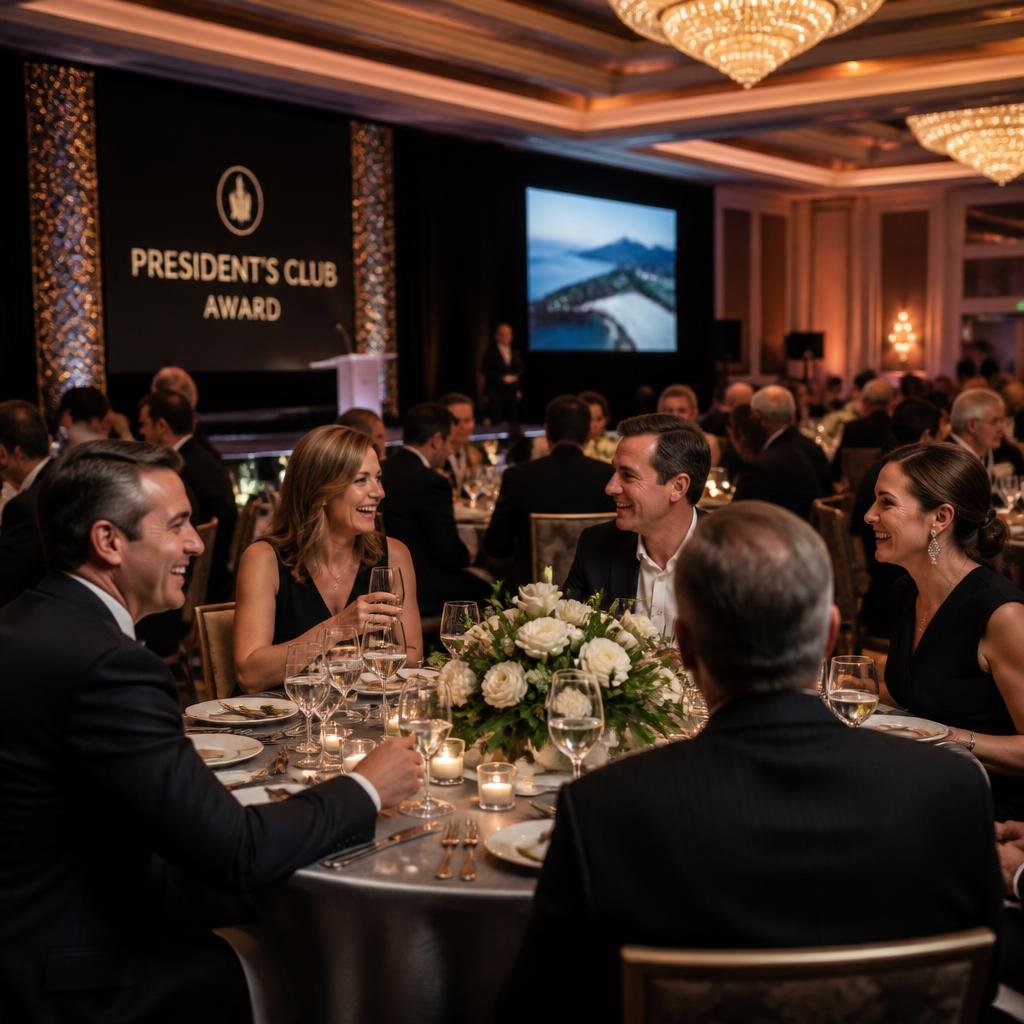
Being acknowledged as a top-performing dealer, qualifying for President's Club, earning an exclusive reward, or being celebrated among peers creates something far more lasting.
It creates pride.
People naturally remember how they were recognized far longer than they remember how much they saved.
That emotional connection strengthens relationships in ways discounts simply cannot.
Why Discounts Lose Their Impact
Price promotions are effective because they create urgency.
But urgency is temporary.
As markets become more competitive, discounts gradually become expected instead of appreciated.
Customers begin delaying purchases until promotions return.
Competitors respond with larger rebates.
Margins shrink.
Eventually, companies find themselves competing almost entirely on price.
This creates an environment where loyalty becomes increasingly fragile.
If another supplier offers a slightly larger discount, customers often have little reason to remain committed.
Price-based loyalty is rarely true loyalty.
Recognition Influences Behavior
One of the greatest strengths of recognition is its ability to reinforce specific behaviors.
Organizations don't simply reward results.
They reward the actions that produce those results.
Examples include:
- Completing product certifications
- Growing annual purchases
- Increasing market share
- Selling higher-margin products
- Supporting strategic product launches
- Participating in training programs
- Referring new customers
Recognition tells participants exactly which behaviors the organization values most.
Over time, these behaviors become part of the company's culture.
The Psychology of Achievement
Recognition satisfies something that financial incentives often overlook.
People want to feel appreciated.
They want to know their efforts matter.
They want their accomplishments to be noticed.
Behavioral research has long demonstrated that recognition increases motivation because it reinforces competence, achievement, and belonging.
This is particularly important within dealer networks.
Dealers are independent businesses.
Contractors choose where they invest their attention.
Sales professionals decide which products receive the greatest emphasis.
Recognition helps influence those decisions by making achievement personally meaningful.
Public Recognition Creates Healthy Competition
Unlike discounts, recognition is visible.
When top performers are celebrated publicly, others naturally become motivated to achieve similar success.
President's Club programs are an excellent example.
The reward itself is valuable.
But so is the recognition that comes with qualifying.
Being identified as one of the organization's top performers creates prestige.
Prestige creates aspiration.
Aspiration encourages greater effort.
The result is a culture where excellence becomes something people actively pursue.
Stronger Relationships Produce Stronger Results
Business has always been built on relationships.
Recognition strengthens those relationships.
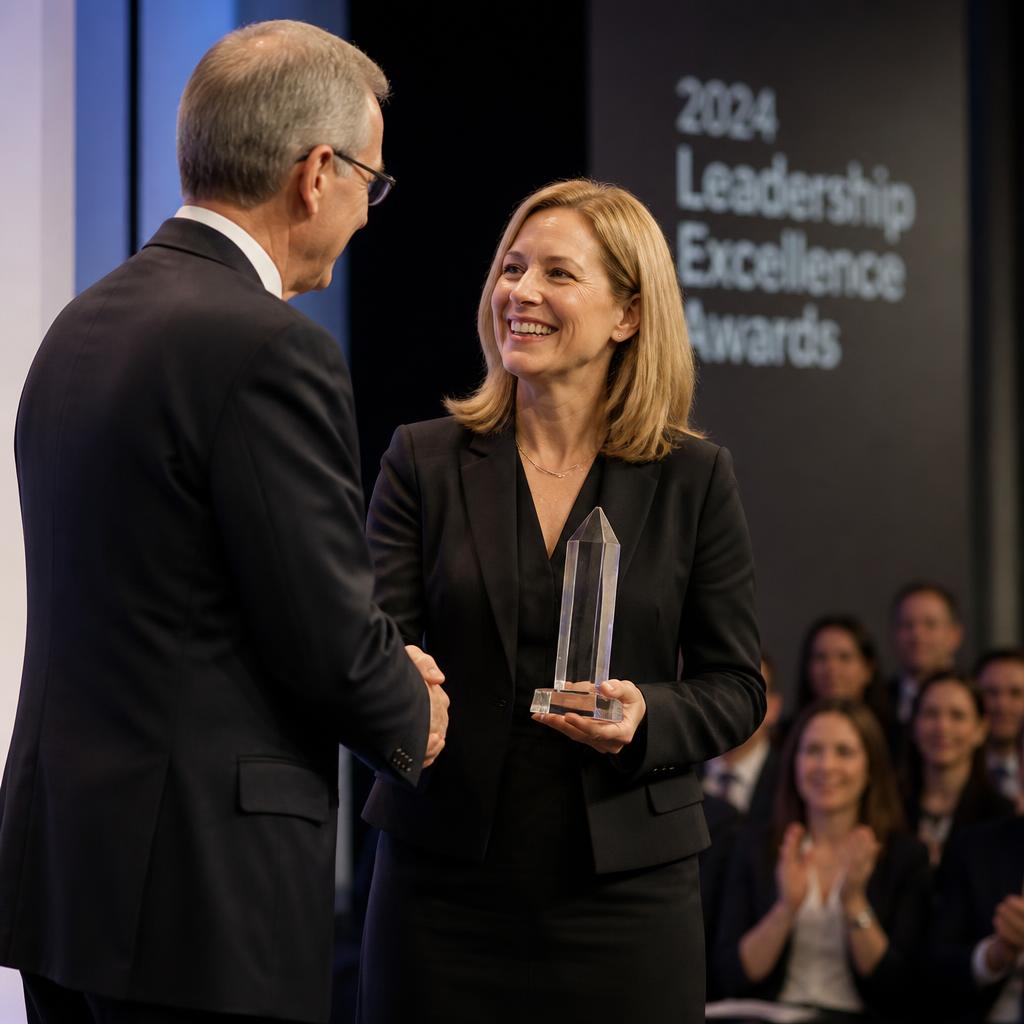
Whether through award ceremonies, executive dinners, incentive travel, or personalized appreciation, recognition demonstrates that a company values more than simply revenue.
It values partnership.
Dealers who feel appreciated often become stronger advocates.
Contractors who feel recognized remain more engaged.
Sales teams who feel celebrated become more committed.
These stronger relationships frequently lead to increased communication, better collaboration, and greater long-term loyalty.
Recognition Doesn't Replace Discounts
This isn't an argument that discounts should disappear entirely.
Strategic promotions still serve an important purpose.
Discounts can:
- Support product launches
- Reduce excess inventory
- Encourage trial purchases
- Respond to competitive pressures
The difference is understanding when each tool should be used.
Discounts influence purchasing decisions.
Recognition influences long-term behavior.
The strongest organizations use both—but they recognize that one builds transactions while the other builds relationships.
Measuring Recognition
Some organizations hesitate to invest in recognition because they believe its impact is difficult to measure.
In reality, recognition programs can be evaluated using many of the same business metrics already tracked throughout the organization.
Examples include:
- Dealer retention
- Program participation
- Contractor engagement
- Product certification rates
- Annual purchase growth
- Market share expansion
- Customer lifetime value
- Repeat business
When recognition programs are aligned with clear objectives, their business impact becomes measurable.
The goal isn't simply making participants feel appreciated.
The goal is encouraging behaviors that improve long-term performance.
Building Recognition Into Company Culture
Recognition should never feel like an afterthought.
The most successful organizations integrate recognition throughout the year.
Small moments often matter just as much as large ones.
Examples include:
- Quarterly achievement awards
- Dealer spotlights
- Executive recognition events
- Personalized thank-you messages
- Milestone celebrations
- President's Club qualification announcements
- Exclusive networking opportunities
When recognition becomes part of everyday culture, employees and partners begin expecting excellence—not because they're chasing rewards, but because achievement has become part of the organization's identity.
Recognition Creates Brand Advocates
One of the greatest long-term advantages of recognition is advocacy.
People who feel genuinely appreciated often become ambassadors for the organizations they work with.
They recommend products.
They share positive experiences.
They encourage others to participate.
This organic advocacy is difficult to purchase through discounts alone.
Recognition transforms satisfied customers into loyal partners.
That distinction becomes increasingly valuable as markets become more competitive.
The Bottom Line
Discounts will always have a place in business.
They create urgency.
They encourage purchases.
They support short-term objectives.
Recognition serves a different purpose.
It builds relationships.
It reinforces desired behaviors.
It strengthens loyalty.
It creates cultures where excellence is celebrated rather than expected.
Organizations that consistently outperform their competitors understand that sustainable growth isn't created through larger rebates alone.
It's created by investing in people.
When dealers, contractors, employees, and partners feel recognized for their achievements, they become more engaged, more committed, and more likely to continue choosing your organization long after the discount has been forgotten.
Recognition isn't simply about saying "thank you."
It's about creating an environment where success is valued, relationships are strengthened, and long-term growth becomes the natural result of a culture built on appreciation rather than price.
Ready to Build a Recognition Program That Drives Results?
Legacy Incentive Group partners with manufacturers, distributors, and dealer networks to design customized recognition, reward, and incentive programs that strengthen relationships and inspire measurable business growth.
Whether you're launching a new dealer recognition initiative or reimagining an existing program, we'll help you create a strategy that motivates performance long after the promotion ends.
Schedule a Strategy Session and discover how recognition can become one of your organization's most powerful competitive advantages.