Incentive Travel Trends for Manufacturers and Distributors
Incentive travel has evolved far beyond the traditional reward trip. Today's manufacturers and distributors are using travel programs as strategic business tools that strengthen dealer relationships, inspire higher performance, and create lasting competitive advantages.
As products become increasingly comparable and price competition intensifies, organizations are recognizing that experiences often create stronger loyalty than discounts ever could. The focus has shifted from simply rewarding top performers to creating meaningful experiences that reinforce company culture, deepen partnerships, and align with long-term business objectives.
As expectations continue to evolve, so do the incentive travel programs themselves. Understanding today's trends can help manufacturers and distributors design programs that remain relevant, memorable, and effective for years to come.
Experiences Over Luxury
For years, incentive travel centered around luxury accommodations, fine dining, and premium resorts.
While those elements remain important, today's participants increasingly value unique experiences over extravagant amenities alone.
Rather than simply staying at a five-star resort, top performers want opportunities to do things they couldn't easily arrange themselves.
Popular experiences include:
- Private vineyard tours in Italy
- Guided fly-fishing expeditions in Montana
- Helicopter tours over glaciers
- Private catamaran charters
- Culinary experiences with renowned chefs
- Wildlife safaris
- Exclusive cultural excursions
These experiences create stories participants remember—and share—for years after returning home.
Personalization Is Becoming the Standard
Modern incentive travel is no longer one-size-fits-all.
Participants increasingly expect flexibility.
Rather than following identical itineraries, many programs now offer choices.
Examples include:
- Golf or spa experiences
- Adventure excursions or leisure time
- Culinary classes or sightseeing tours
- Fishing trips or hiking adventures
- Private dining or local cultural experiences
Allowing participants to personalize portions of their trip creates a more meaningful experience while demonstrating appreciation for individual preferences.
The result is greater satisfaction without dramatically increasing program complexity.
Wellness Is Playing a Larger Role
Business travel has traditionally focused on entertainment and networking.
Today's incentive travelers also value wellness.
Many programs now incorporate:
- Morning yoga
- Guided hikes
- Spa experiences
- Fitness activities
- Healthy dining options
- Mindfulness sessions
- Outdoor adventures
These additions help participants return home feeling refreshed rather than exhausted.
Organizations increasingly recognize that wellness contributes to both employee satisfaction and overall program quality.
Smaller, More Exclusive Groups
Large group trips remain valuable for many organizations.
However, there's growing demand for smaller, more personalized experiences.
Smaller groups allow for:
- Better executive interaction
- Stronger networking
- Customized activities
- More meaningful conversations
- Higher-quality service
- Greater exclusivity
Participants often develop stronger relationships when traveling with smaller groups of peers.
For manufacturers, these deeper connections frequently translate into stronger dealer partnerships after the trip concludes.
Business and Leisure Continue to Blend
The most successful incentive trips balance professional value with personal enjoyment.
Rather than scheduling meetings throughout the trip, organizations are integrating light business sessions into otherwise leisure-focused experiences.
Examples include:
- Executive roundtable discussions
- Product previews
- Leadership Q&A sessions
- Dealer advisory meetings
- Strategic planning breakfasts
These conversations often become more productive because they occur in relaxed environments rather than conference rooms.
Participants appreciate gaining valuable business insight without sacrificing the overall experience.
Sustainability Matters More Than Ever
Environmental responsibility continues to influence travel decisions.
Many manufacturers are selecting destinations, resorts, and partners that prioritize sustainability.
This may include:
- Eco-certified resorts
- Conservation-focused excursions
- Local sourcing initiatives
- Reduced single-use plastics
- Community-based tourism
- Wildlife preservation programs
Participants increasingly appreciate organizations that demonstrate environmental responsibility while still delivering exceptional experiences.
Sustainability has become another way companies reinforce their values through incentive travel.
Technology Is Enhancing the Experience
Technology is improving every stage of incentive travel.
Modern programs often include:
- Mobile event apps
- Digital itineraries
- Real-time notifications
- Personalized schedules
- QR code event access
- Interactive destination guides
These tools simplify logistics while improving the participant experience.
Technology also allows organizations to gather valuable feedback that can improve future programs.
Recognition Begins Before the Trip
One of the biggest changes in incentive travel is that recognition no longer begins upon arrival.
Organizations now build excitement throughout the qualification period.
Successful strategies include:
- Qualification announcements
- Progress dashboards
- Leaderboards
- Countdown communications
- Destination reveals
- Participant spotlights
The anticipation itself becomes part of the reward.
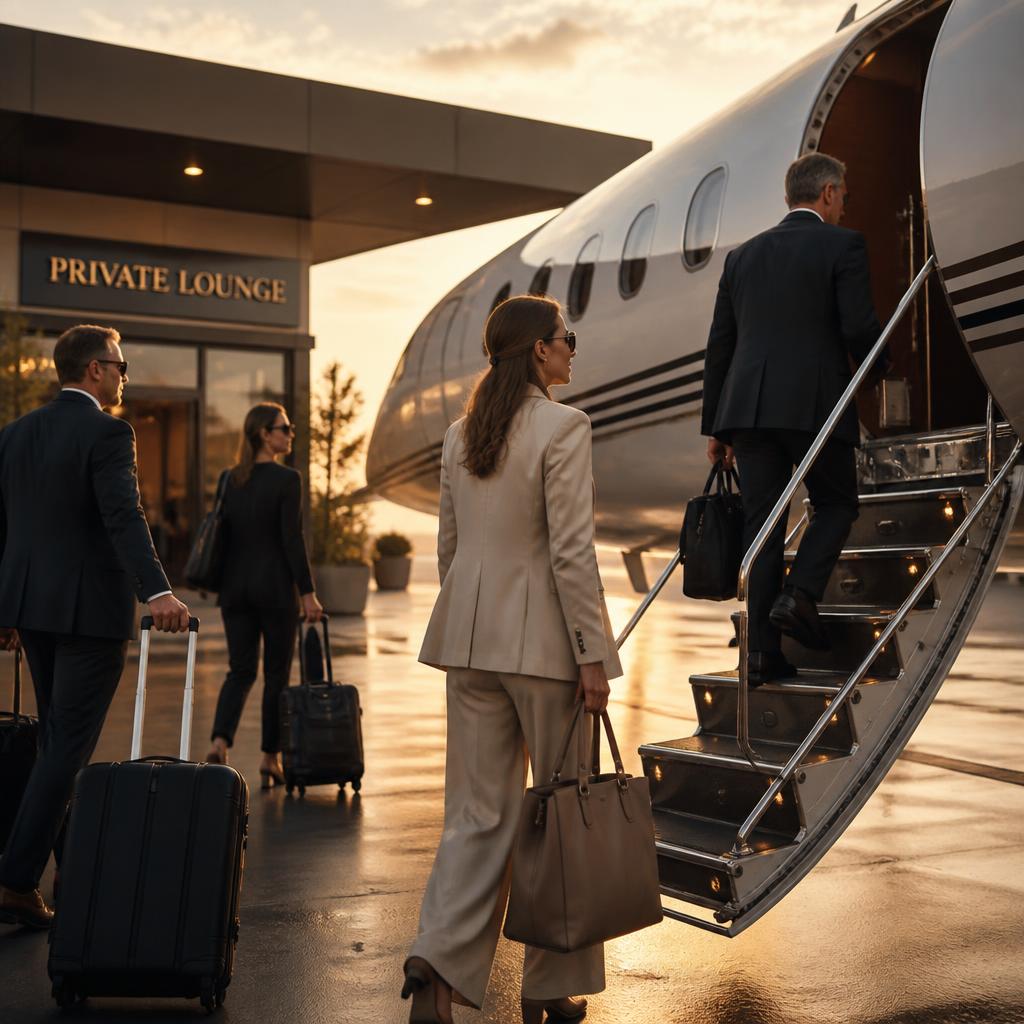
By the time participants board the plane, they've often spent months working toward the experience.
Family Inclusion Is Growing
Many organizations now recognize that top performers often value sharing experiences with loved ones.
As a result, more incentive programs include spouses or guests.
Family participation:
- Enhances perceived value
- Creates stronger emotional connections
- Increases motivation
- Reinforces appreciation
- Encourages long-term loyalty
When participants associate the organization with meaningful family memories, the emotional impact of the program becomes even stronger.
Authentic Local Experiences
Modern travelers increasingly seek authentic cultural experiences rather than purely tourist attractions.
Popular activities include:
- Local cooking classes
- Cultural festivals
- Artisan workshops
- Regional wine tastings
- Historical tours
- Community experiences
Authenticity creates richer memories while allowing participants to connect more deeply with each destination.
These experiences often become the highlights participants discuss long after returning home.
Incentive Travel Is Becoming More Strategic
Perhaps the biggest trend isn't about destinations. It's about purpose.
Leading manufacturers now view incentive travel as part of a broader engagement strategy rather than simply an annual reward.
Programs are increasingly designed around measurable business objectives, including:
- Dealer retention
- Product launches
- Market share growth
- Product certification
- Contractor engagement
- Training participation
- Year-over-year growth
The destination supports the objective—but never replaces it.
This strategic mindset consistently produces stronger long-term business results.
Creating Moments That Matter
Participants rarely remember every meal or every hotel room. They remember moments.
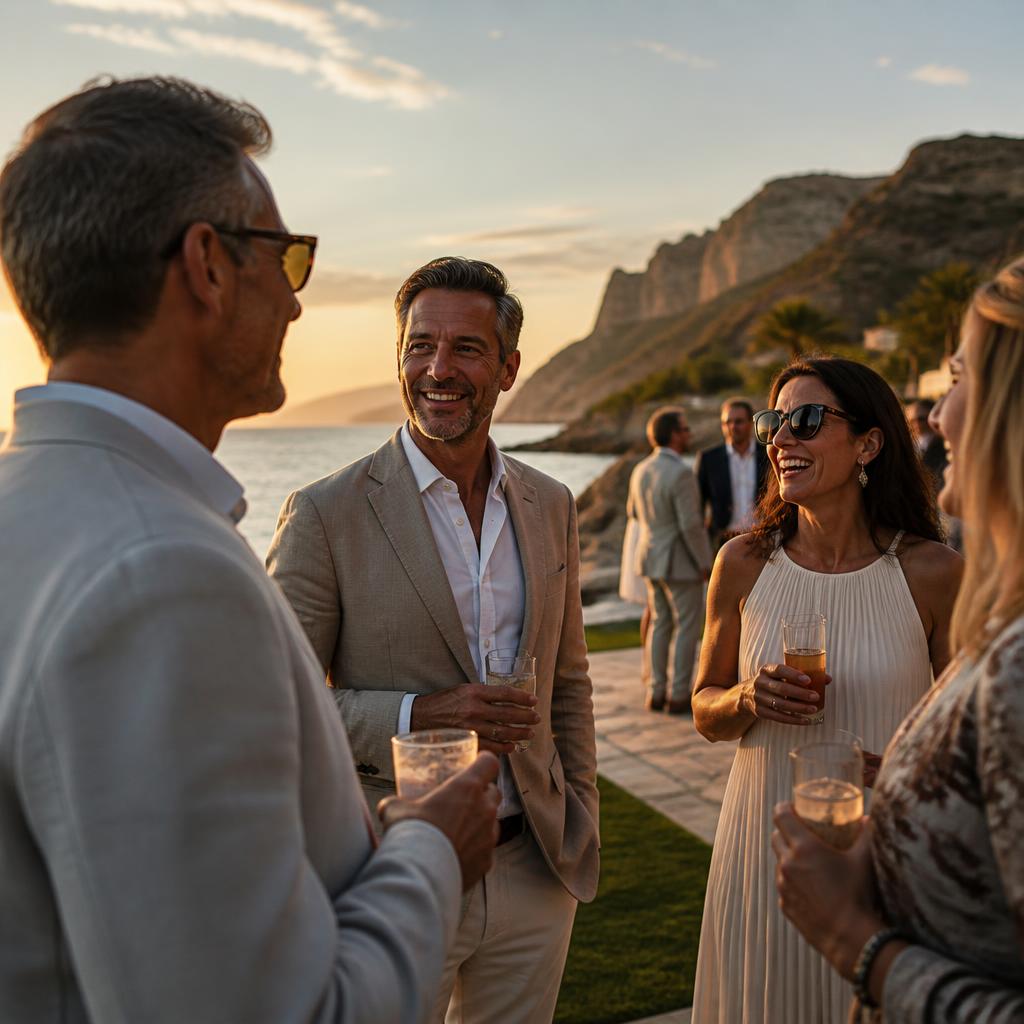
Watching the sunset from a private yacht. Celebrating with colleagues after reaching a difficult goal. Meeting company leadership in an informal setting. Sharing a once-in-a-lifetime experience with their spouse.
The most successful incentive travel programs intentionally create these moments because they strengthen emotional connections far beyond the duration of the trip itself.
These memories become associated with the organization that made them possible.
Looking Ahead
As the workplace continues to evolve, incentive travel will continue evolving alongside it. Future programs will likely become even more personalized, data-driven, and experience-focused.
Organizations will increasingly use participant feedback, behavioral analytics, and engagement metrics to design programs tailored to what motivates their dealer networks and contractor partners.
Artificial intelligence may help personalize itineraries. Digital communication will continue improving participant engagement before, during, and after each trip.
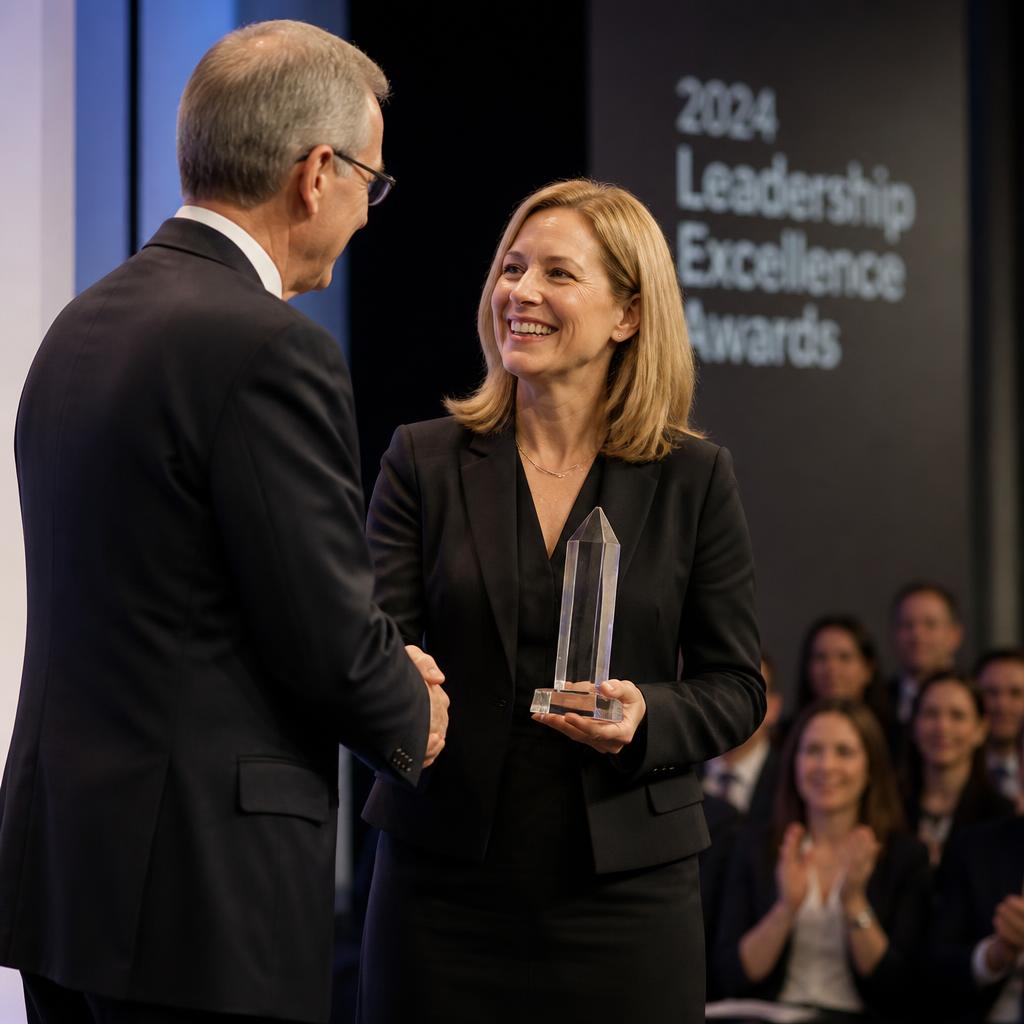
However, one thing is unlikely to change: People will always value meaningful recognition. No technology, rebate, or promotion can replace the impact of earning an unforgettable experience through exceptional performance.
The Bottom Line
The future of incentive travel isn't about offering more expensive trips. It's about creating more meaningful ones.
Manufacturers and distributors that embrace personalization, authentic experiences, strategic program design, and long-term relationship building are creating incentive travel programs that inspire stronger performance and deeper loyalty than ever before.
The organizations that lead tomorrow won't simply reward top performers. They'll create experiences that reinforce company values, celebrate achievement, strengthen partnerships, and motivate excellence year after year.
When thoughtfully designed, incentive travel becomes much more than a reward. It becomes one of the most powerful investments an organization can make in its people, its partners, and its future growth.
Ready to Create an Incentive Travel Program That Stands Out?
Legacy Incentive Group partners with manufacturers and distributors to design customized incentive travel experiences that go beyond the destination. We help organizations align travel with business objectives, strengthen dealer and contractor relationships, and create unforgettable experiences that inspire long-term performance.
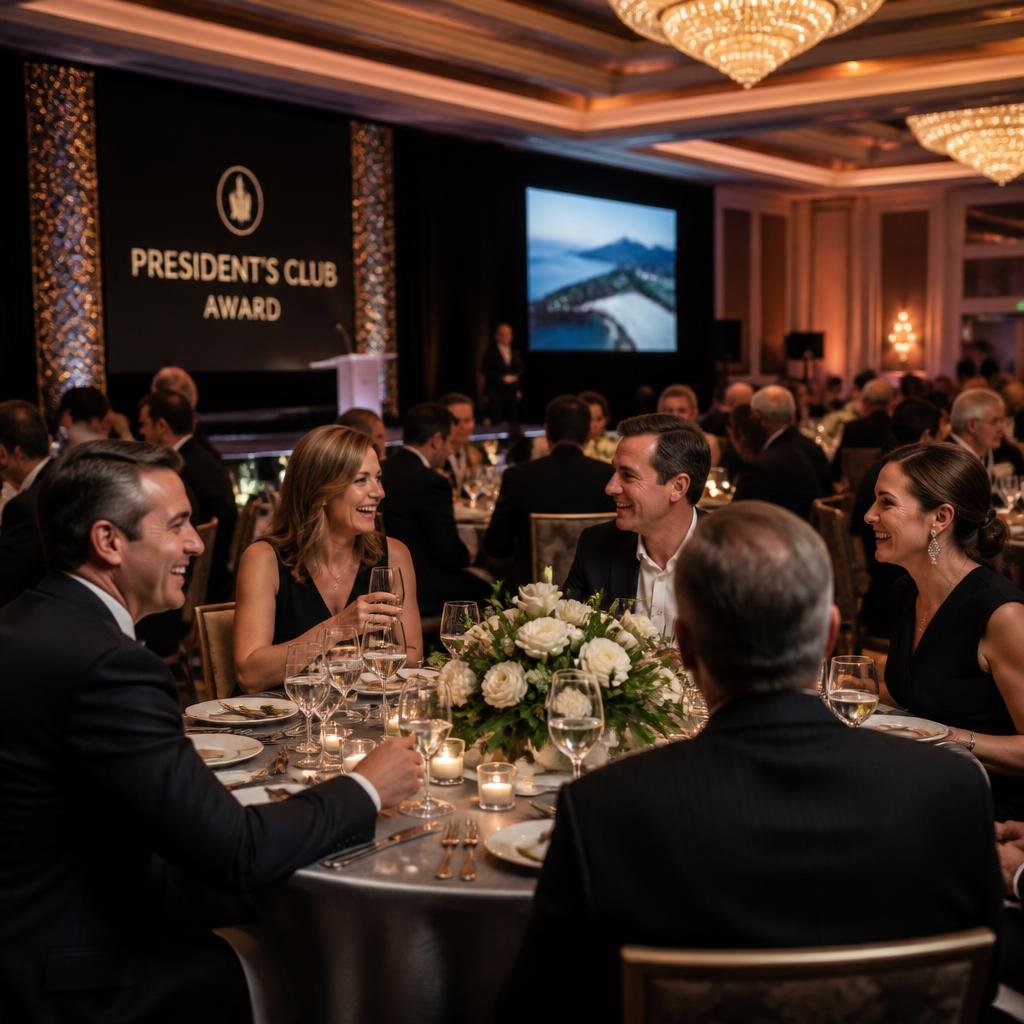
Whether you're planning your first President's Club or reimagining an established travel program, we'll help you build an experience that people are motivated to earn—and never forget.
Schedule a Strategy Session to discover how strategic incentive travel can become one of your organization's greatest competitive advantages.